Chronic Pain Doesn’t Just Hurt Your Body
Most people think chronic pain is a physical problem.
Former UFC veteran Josh Thomson says it’s much more than that.
Years of wrestling, Brazilian jiu-jitsu, mixed martial arts competition, and thousands of hours in the gym left his body carrying the wear and tear that many professional fighters eventually face.
But the hardest part wasn’t the injuries themselves.
It was what those injuries were doing to his life.
“I couldn’t live my life with that kind of pain,” Josh explained during a recent visit to CPI Stem Cells.
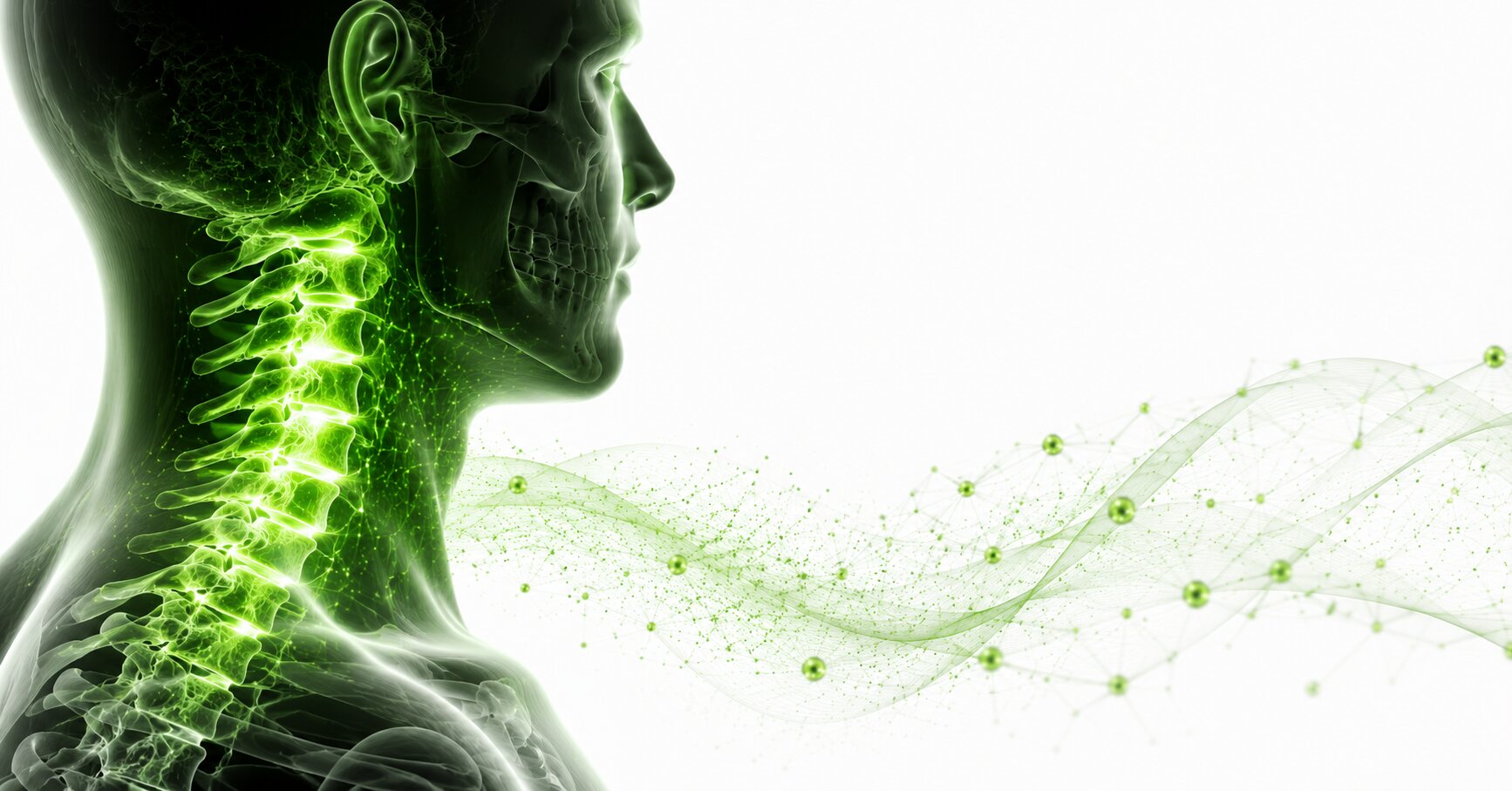
The pain started in his neck.
Then came numbness running down his arm.
His fingers began going numb.
Sleep became nearly impossible.
And slowly, the effects started spreading into every aspect of his life.
The Connection Between Chronic Pain and Depression
One of the most surprising moments in Josh’s story happened during a medical evaluation.
While completing paperwork for his neck condition, he was asked three questions that immediately caught his attention:
- Are you suicidal?
- Have you thought about killing yourself?
- How would you do it?
The questions shocked him.
At first.
Then he realized why they were being asked.
Medical researchers have known for years that chronic pain and depression are closely linked.
Patients living with chronic neck pain, back pain, nerve pain, and other long-term conditions often experience:
- Anxiety
- Depression
- Social isolation
- Sleep disruption
- Reduced quality of life
- Feelings of hopelessness
For Josh, the connection became impossible to ignore.
The constant pain wasn’t just limiting movement.
It was changing how he felt.
“It started making me depressed,” he admitted.
“It started making me not want to train.”
“It started making me not want to leave the house.”
For someone whose life revolved around movement, competition, and community, that was a major warning sign.
Why Sleep Matters More Than Most People Realize
One of the biggest challenges Josh faced wasn’t training.
It was sleeping.
Pain repeatedly woke him throughout the night.
Hour after hour.
Night after night.
Without quality sleep, recovery becomes difficult.
Inflammation increases.
Mood worsens.
Energy declines.
Research consistently shows that poor sleep and chronic pain create a vicious cycle:
Pain causes poor sleep.
Poor sleep increases pain sensitivity.
The cycle repeats.
Many patients don’t realize how much their pain is affecting them until the pain finally improves.
The Little Things Pain Takes Away
When people think about injuries, they often focus on sports.
Competition.
Performance.
But Josh discovered that the hardest losses were much smaller.
For years, neck pain limited his ability to look upward.
Something as simple as tossing his daughter into the air became difficult.
Instead of looking straight up, he had to compensate with awkward movements and body positioning.
Today, he describes being able to look up normally again as one of the most meaningful improvements he has experienced.
Because chronic pain rarely steals the big moments first.
It steals the small ones.
The everyday moments.
The moments that make life enjoyable.
The Goal Isn’t Just Pain Relief
Many patients approach treatment with one goal:
Make the pain stop.
But Josh’s experience highlights something important.
The goal isn’t simply reducing pain.
The goal is restoring quality of life.
Being able to:
- Sleep through the night
- Exercise comfortably
- Spend time with family
- Stay active
- Enjoy hobbies
- Feel like yourself again
Those outcomes often matter more than any MRI or imaging result.
Why Professional Athletes Understand Recovery Differently
One lesson Josh repeatedly emphasized is that healing requires patience.
Too many people begin feeling better and immediately return to activities that caused the problem in the first place.
Professional athletes understand that recovery is part of training.
The body needs time to heal.
Time to adapt.
Time to rebuild.
Patients who rush the process often undermine the very improvements they are hoping to achieve.
Chronic Pain Is More Common Than You Think
Josh Thomson’s story may come from the world of professional fighting, but his experience is remarkably common.
Millions of people are currently living with:
- Chronic neck pain
- Chronic back pain
- Joint pain
- Nerve pain
- Sleep disruption
- Depression related to chronic pain
Many of them believe their symptoms are simply part of getting older.
Many assume they have to live with it.
Many never realize how much pain is affecting their mental and emotional well-being.
A Different Perspective on Health
Today, Josh is back on the jiu-jitsu mats.
He’s training.
He’s active.
Most importantly, he feels like himself again.
His story serves as a reminder that chronic pain is rarely just a physical problem.
It affects sleep.
Relationships.
Confidence.
Mental health.
And overall quality of life.
Addressing pain isn’t only about improving movement.
Sometimes it’s about getting your life back.
Learn More About CPI Stem Cells
If chronic pain is affecting your sleep, your mood, your mobility, or your ability to enjoy life, CPI Stem Cells offers complimentary physician consultations to help determine whether regenerative medicine may be an appropriate option.
Schedule your free doctor call today and learn more about your options.
👉 Visit www.CPIStemCells.com to schedule a Free Doctor Call